Source European Type Bolt Cutter for Steel, Pipes, and Cables
Find and compare 30 listings for the european type bolt cutter designed for industrial cutting tasks. Buyers can review specifications like material grade, handle color, and cutting range to select the right tool for steel, pipes, or cables.
Key considerations
Products List




Comprehensive Sourcing Guide
Strategic Sourcing Guide for European-Style Bolt Cutters
The procurement of industrial cutting tools, specifically those categorized under the European type bolt cutter designation, requires a disciplined approach that balances technical precision with supply chain reliability. In the global B2B market, buyers often encounter a wide spectrum of products ranging from manual hand tools to automated hydraulic systems. The core keyword "European type bolt cutter" implies a specific ergonomic design and mechanical leverage system, often associated with high-carbon steel construction and standardized sizing. This guide synthesizes observed market data and technical attributes to provide a framework for sourcing these tools without relying on unverified claims or specific supplier endorsements.
Technical Specifications and Mechanical Attributes
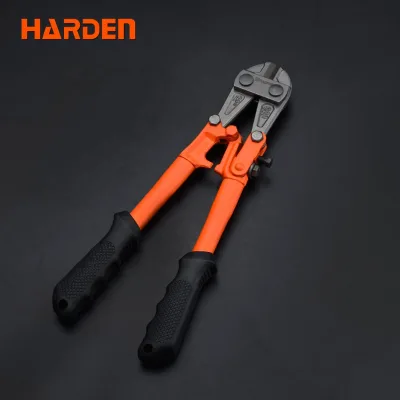
When evaluating bolt cutters, the primary technical differentiator lies in the material composition and the geometric design of the cutting jaws. Based on available product data, the dominant material specification for these tools is high-carbon steel, often categorized under an industrial grade. This material choice is critical for maintaining edge retention and resisting deformation under high shear forces. The observed product attributes indicate a "Round Mouth" shape, which is a distinct feature of many European-style cutters designed to engage with cylindrical objects like chains, padlocks, or rebar more effectively than flat-jawed alternatives.
The physical dimensions of the tool are equally significant. While some listings specify a standard length of 300mm, the market also offers a broader range of sizes including 12 inches, 14 inches, 18 inches, 24 inches, 30 inches, 36 inches, and 42 inches. The selection of length directly correlates to the cutting capacity; for instance, larger cutters are engineered to handle thicker materials, with some specifications noting a maximum cutting range of 125mm. Buyers must verify that the specific model they intend to purchase aligns with the thickness of the materials they plan to cut, as the "Common" size designation may not cover all industrial requirements.
Furthermore, the handle configuration is a key ergonomic factor. The observed data highlights "Colorful" handles, with specific mentions of yellow, red, blue, black, green, and orange options. These colors often serve a dual purpose: enhancing visibility in industrial environments and indicating different torque ratings or jaw sizes. The presence of a "New" condition status and "Neutral Packing" suggests that many suppliers offer standard, unbranded inventory suitable for private labeling or direct industrial use.
Compliance, Certification, and Safety Standards
In the B2B procurement landscape, verifying compliance is as important as the physical specifications of the tool. The supply chain data indicates that various certifications are available, including ISO, RoHS, and CE. The CE marking is particularly relevant for European-style tools, as it signifies conformity with health, safety, and environmental protection standards for products sold within the European Economic Area. Additionally, ISO 9001 certification is frequently cited, indicating that the manufacturer adheres to a quality management system.
However, buyers must exercise caution when interpreting these certifications. While some listings explicitly state "ISO, RoHS, CE," others may list "ISO 9001:CE" or simply "Standard." It is imperative to request valid certification documents directly from the supplier rather than relying on the product page summary. The "Standard" attribute listed in the data is generic and should be cross-referenced with specific international standards such as EN or ANSI for bolt cutters to ensure the tool meets the rigorous safety requirements of the buyer's jurisdiction.
For automated or hydraulic variants, which are sometimes grouped under the broader category of cutting equipment, the compliance requirements expand to include electrical safety. In such cases, components like CNC controllers, main motors, and hydraulic systems often originate from specific regions, such as Germany, France, or the USA. The presence of brands like Siemens, Schneider, or Boschrexroth in the supply chain data suggests a higher tier of automation, but these components must also carry their respective safety certifications to ensure the entire system is compliant.
Cost Drivers and Pricing Structures
The pricing for bolt cutters exhibits a vast range, observed from as low as $0.10 to as high as $13,750. This disparity is not indicative of a single product type but rather reflects the diversity of the market, which includes simple manual hand tools and complex, automated hydraulic cutting systems. The primary cost drivers include the material grade, the manufacturing complexity, and the level of automation.
Manual bolt cutters made of high-carbon steel with standard lengths (e.g., 12 to 42 inches) will typically fall on the lower end of the price spectrum. In contrast, automated systems featuring components from premium international brands, such as E21 Estun controllers or Hiwin ball screws, command significantly higher prices due to the cost of these specialized parts and the engineering involved.
Minimum Order Quantity (MOQ) is another critical financial factor. The observed MOQ range spans from 1 to 3000 units. Buyers seeking small batches for immediate operational needs can find suppliers with an MOQ of 1, while those planning large-scale industrial rollouts may face MOQs of 3000. The supply ability, noted as 1000 pieces per week for certain items, suggests that while some suppliers can handle moderate volume, large orders may require advance planning to ensure consistent delivery.
Typical Applications and Operational Context
The application of European-style bolt cutters extends beyond simple lock cutting. The data explicitly lists "Pipe Clamp" and "Bolt Cutter" as usage categories, indicating versatility in industrial settings. The "Round Mouth" design makes these tools particularly effective for cutting chains, cables, and round stock, which are common in construction, demolition, and maintenance operations.
For heavy-duty applications, the market also offers automated solutions. These systems, often found in manufacturing environments, utilize hydraulic power to achieve precise cuts on thick metal tubing or structural steel. The inclusion of "Automatic" automation attributes and specific electrical components suggests that these tools are integrated into larger production lines. The "Adult" application age rating confirms that these tools are designed for professional use by trained personnel, rather than for consumer or hobbyist applications.
Supplier Evaluation and Origin Verification
When selecting a supplier, the origin of the product is a significant data point. The majority of the observed listings indicate "China" as the place of origin, with specific mentions of Hubei and Jiangsu provinces. These regions are known for their manufacturing hubs in the metalworking sector. However, the "European type" designation often implies a design standard rather than a manufacturing location. Buyers should verify that the supplier can consistently meet the design specifications associated with European engineering standards, regardless of the manufacturing location.
Supplier evaluation should also focus on the customization capabilities. The data confirms that "Customization" and "OEM" support are available. This allows buyers to request specific handle colors, custom packaging (such as "Carton" or "Carton Box" instead of neutral packing), or tailored product models. The ability to support OEM requests is a strong indicator of a supplier's flexibility and capacity to meet specific brand or operational requirements.
Quality Control and Long-Term Procurement
Ensuring long-term value requires a robust quality control strategy. The "Warranty" period is a tangible metric for quality assurance, with observed terms ranging from 1 to 2 years. A longer warranty period often correlates with higher confidence in the product's durability and the supplier's commitment to after-sales support. Buyers should explicitly confirm the scope of the warranty, including whether it covers material defects, handle integrity, or blade sharpness retention.
For automated systems, the quality of individual components is paramount. The supply chain data lists specific brands for critical parts, such as "Nok Japan Brand" for seal rings and "Sunny USA Brand" for gear pumps. When procuring these complex systems, buyers must verify that these components are genuine and that the assembly process maintains the integrity of the original equipment manufacturer (OEM) specifications.
Finally, the "Condition" of the product, listed as "New," is a baseline requirement. However, buyers should also consider the "prod_packing" details. Whether the product arrives in "Neutral Packing," "Carton," or with a "Plastic Cover" can impact the protection of the tool during transit and its readiness for immediate use. Proper packaging is essential for maintaining the tool's condition, especially for high-precision instruments that may be sensitive to moisture or impact.
Summary of Key Procurement Parameters
To facilitate a streamlined comparison during the sourcing process, the following table summarizes the critical attributes observed in the market data. This reference can assist buyers in creating a standardized checklist for vendor evaluation.
| Attribute Category | Observed Values / Options | Procurement Verification Point |
|---|---|---|
| Material | High Carbon Steel, Metal | Verify grade and heat treatment process. |
| Shape | Round Mouth | Confirm jaw geometry for intended material. |
| Cutting Range | 125mm Max (varies by size) | Match to maximum material thickness required. |
| Length | 300mm, 12in to 42in | Select based on leverage and reach needs. |
| Handle Color | Yellow, Red, Blue, Black, Green, Orange | Choose for visibility or brand consistency. |
| Certification | ISO, RoHS, CE, ISO 9001 | Request valid certificates for compliance. |
| Warranty | 1 Year, 2 Years | Clarify coverage terms and claim process. |
| Origin | China (Hubei, Jiangsu) | Verify factory audit status if required. |
| MOQ | 1 to 3000 Units | Align with inventory and budget constraints. |
| Customization | OEM, Color, Packing | Confirm lead time for custom orders. |
By adhering to these structured evaluation criteria, buyers can navigate the complex landscape of bolt cutter procurement with confidence. The focus remains on verifying factual attributes, ensuring compliance with relevant standards, and selecting suppliers who can deliver consistent quality and support. This disciplined approach minimizes risk and ensures that the acquired tools meet the rigorous demands of industrial applications.
FAQs
What material is used for european type bolt cutters?
These tools are primarily constructed from high-carbon steel or general metal. The material grade is typically industrial, ensuring durability and resistance to deformation under high shear forces during heavy-duty cutting operations.
Which certifications are available for these cutting tools?
Common certifications include ISO, RoHS, and CE marks. Some listings also specify ISO 9001 compliance. Buyers should request valid documentation to confirm these standards are met for their specific jurisdiction.
Can I customize the handle color or packaging?
Yes, customization and OEM support are available for these products. Buyers can often select from colorful handle options like yellow, red, or blue, and choose between neutral packing or carton box packaging.
What is the maximum cutting range for these cutters?
The observed maximum cutting range is 125mm for specific models. However, dimensions vary by length, with options ranging from 12 inches to 42 inches, directly influencing the thickness of materials that can be cut.
How long is the warranty period for these tools?
Warranty terms typically range from 1 year to 2 years depending on the specific model. This coverage generally applies to material defects and structural integrity, ensuring reliability for professional industrial applications.
Where are these bolt cutters manufactured?
The products originate from China, with specific manufacturing hubs in Hubei and Jiangsu provinces. These regions are known for their metalworking capabilities, though the design standards may align with European specifications.
What is the minimum order quantity for these items?
The minimum order quantity ranges from 1 unit to 3000 units depending on the supplier. This flexibility allows buyers to source small batches for immediate needs or large volumes for industrial rollouts.